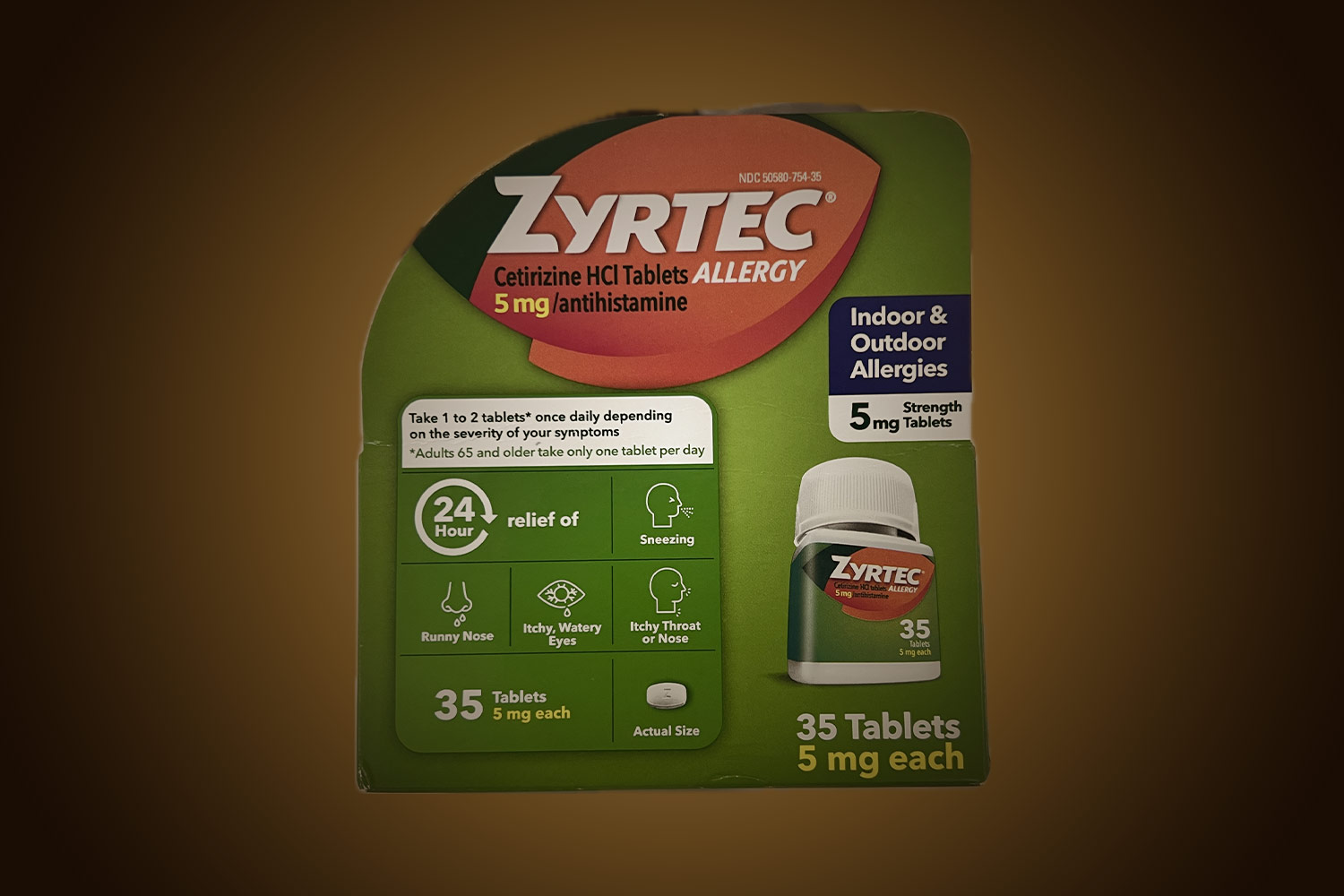
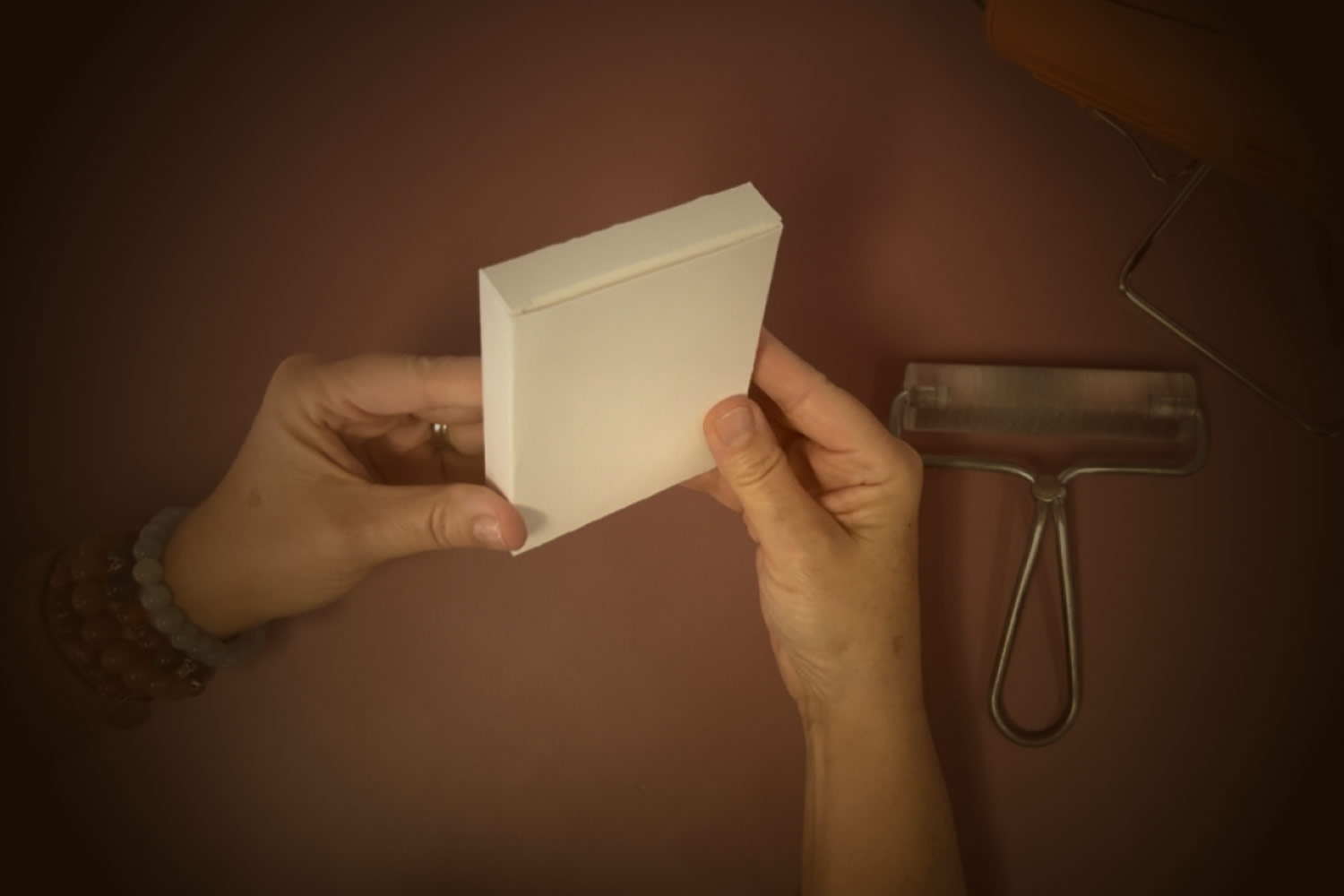
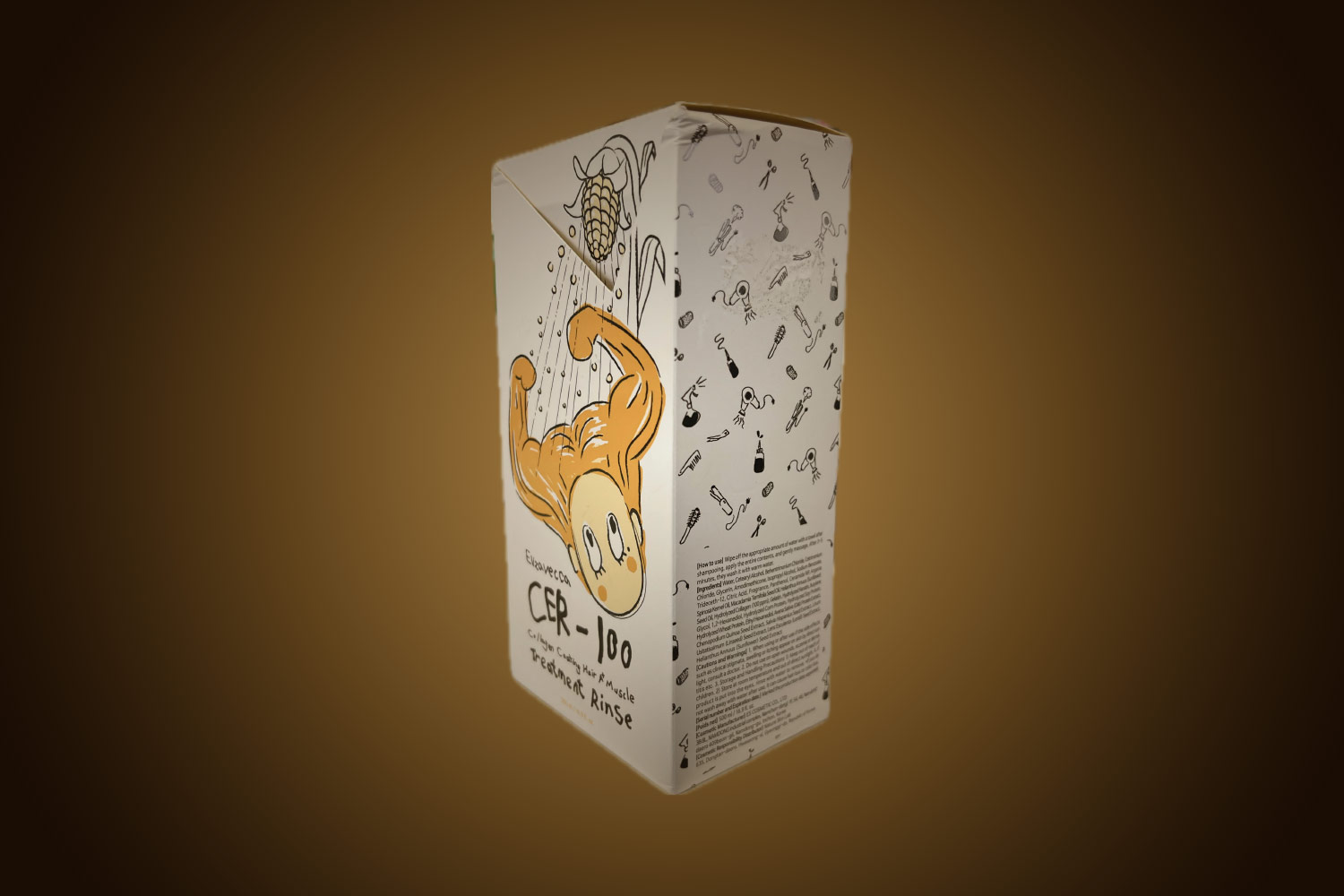
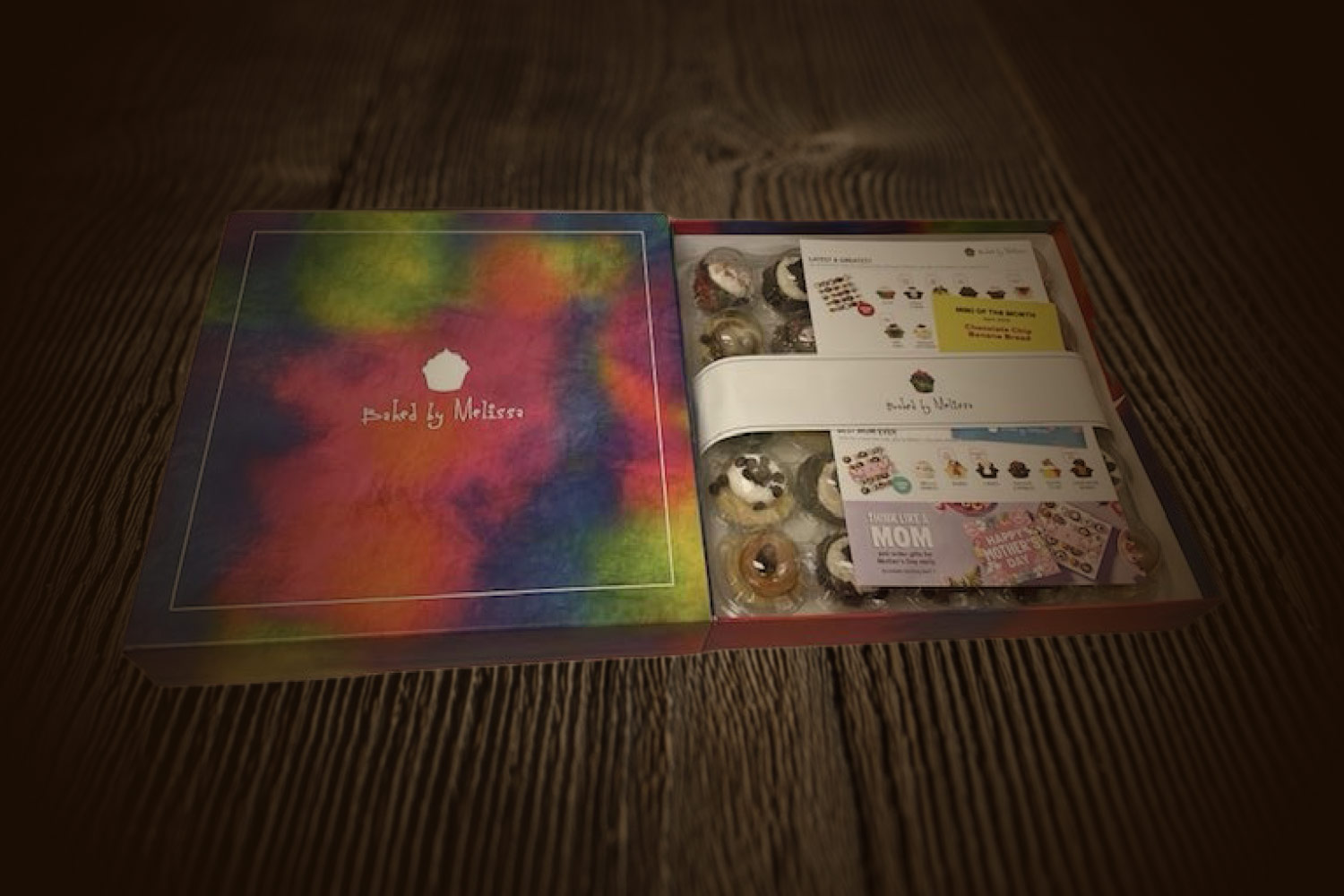
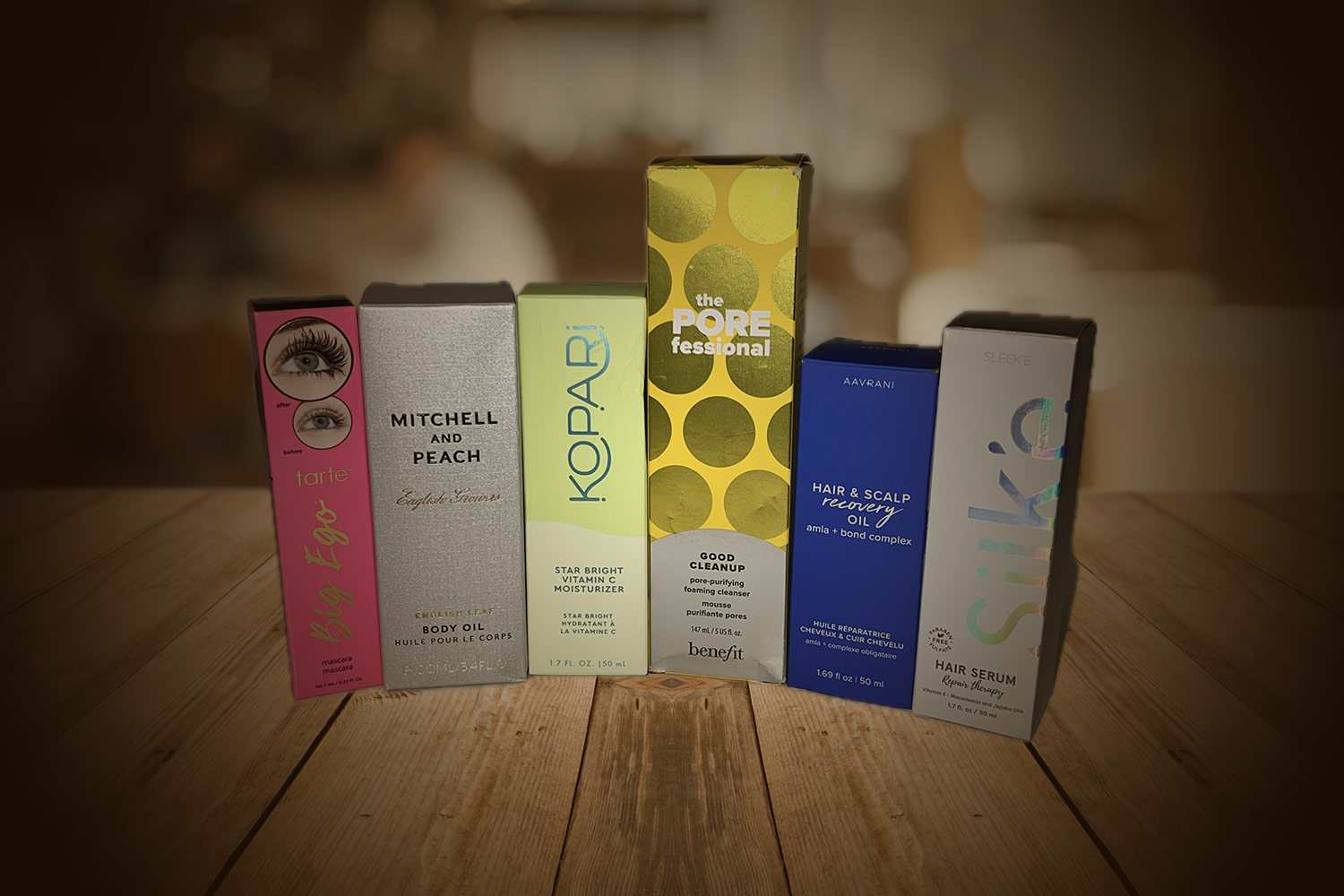
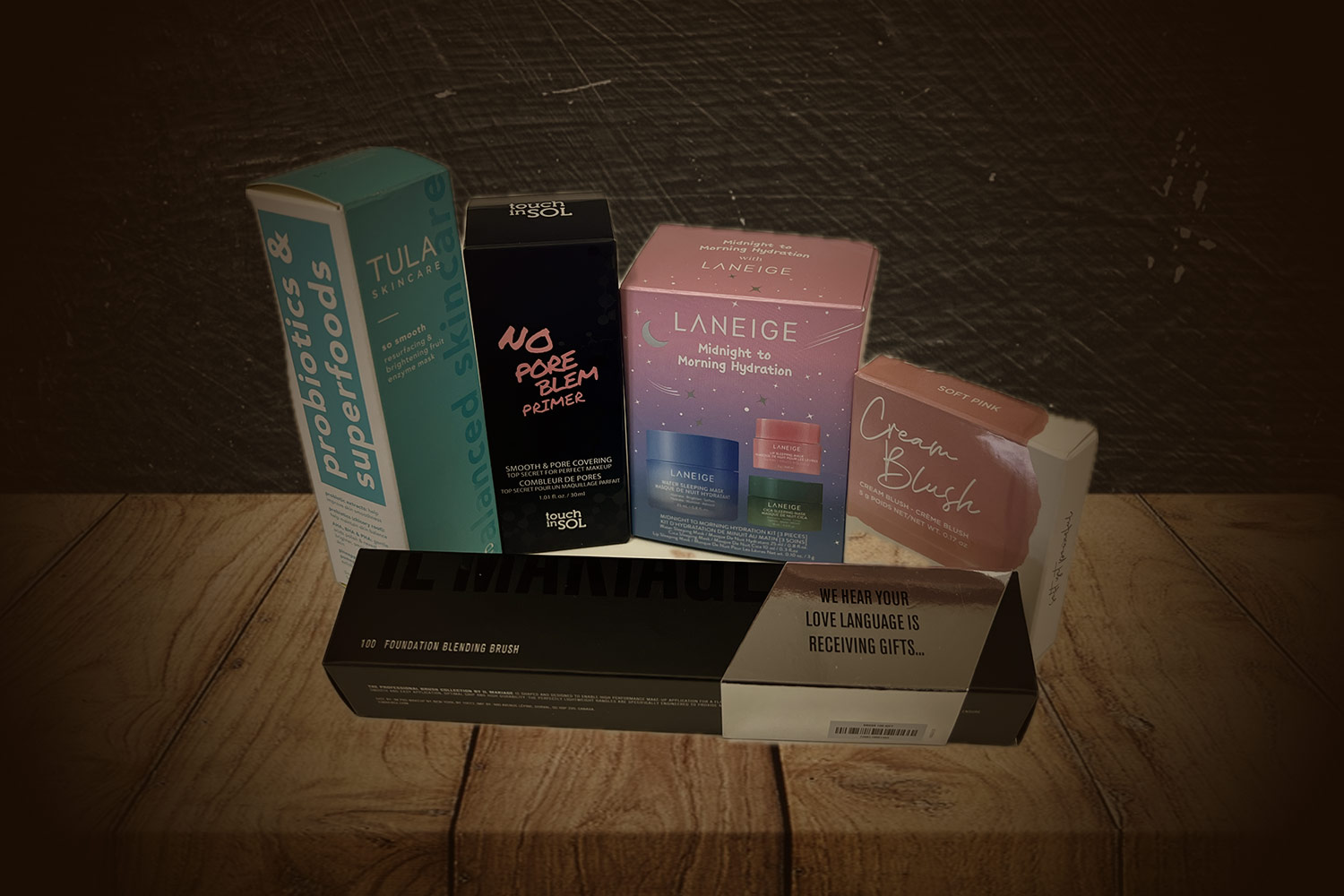
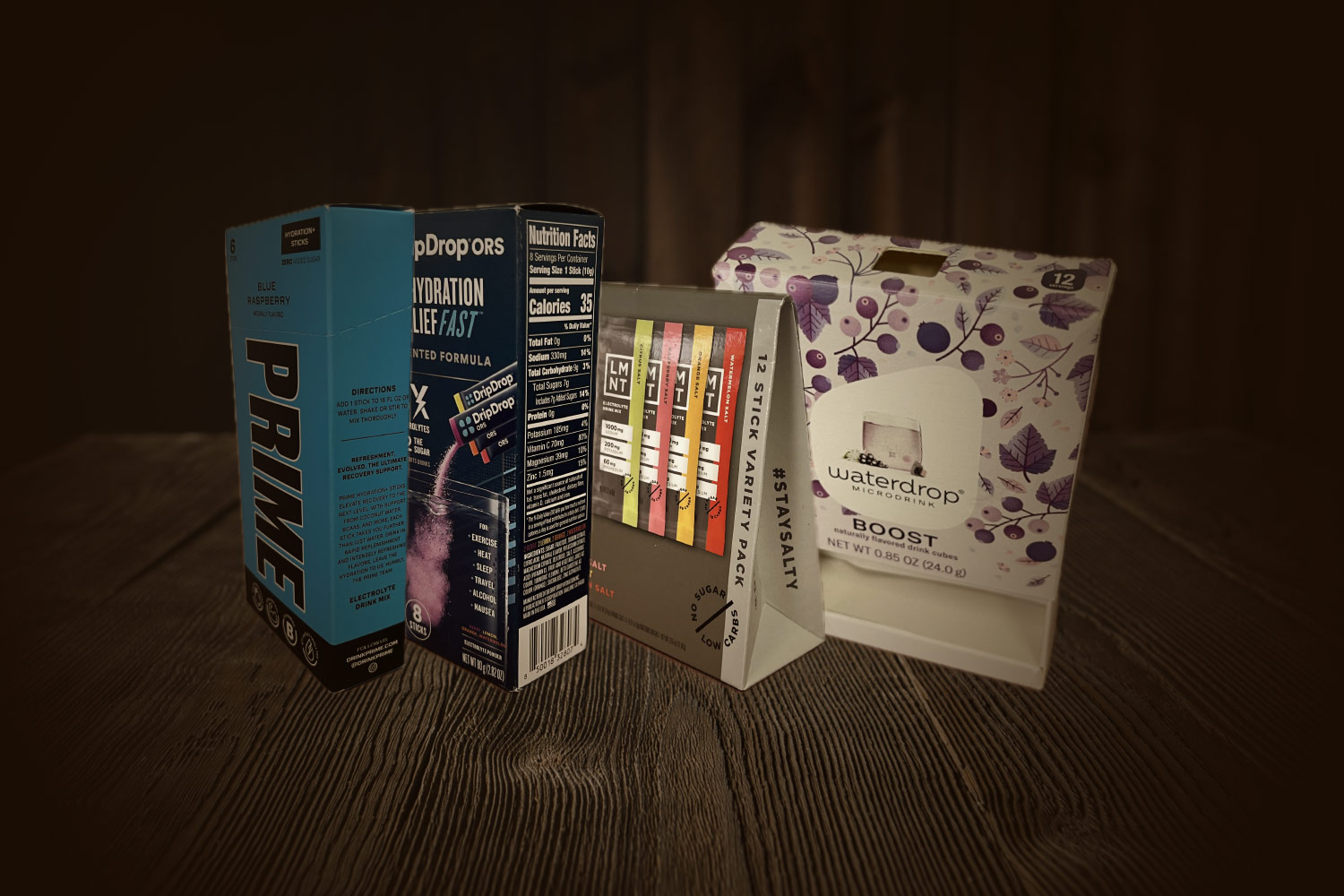
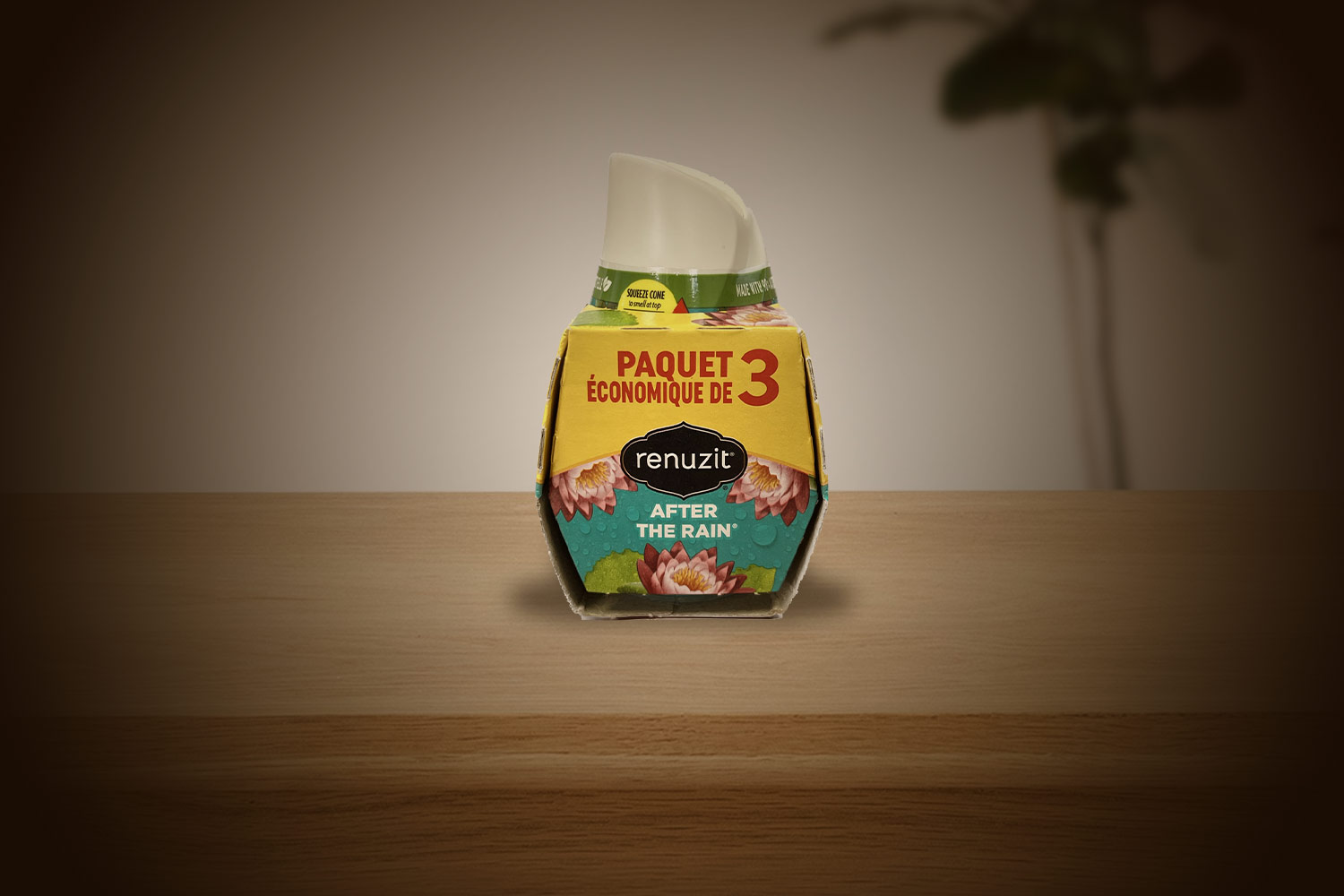
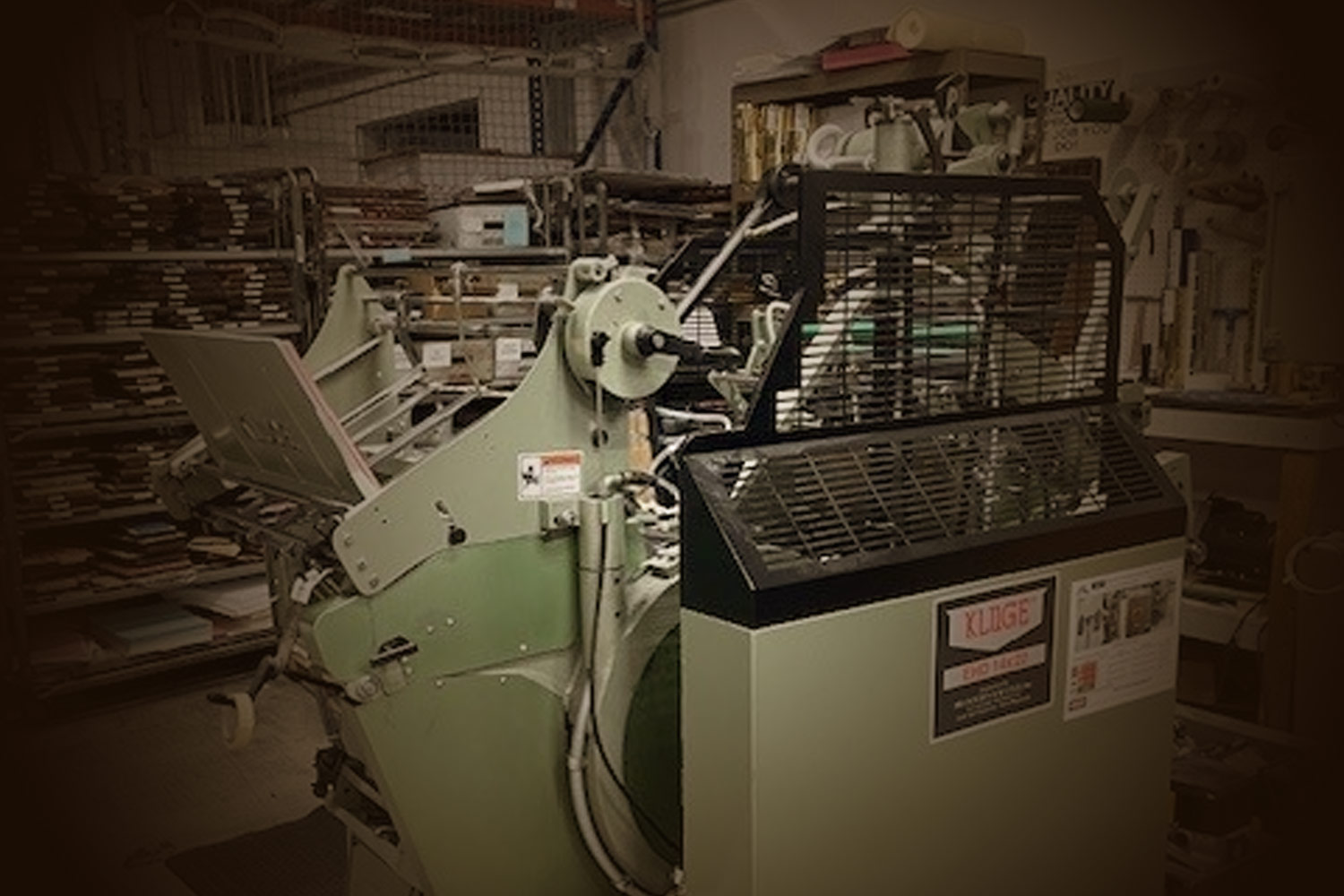
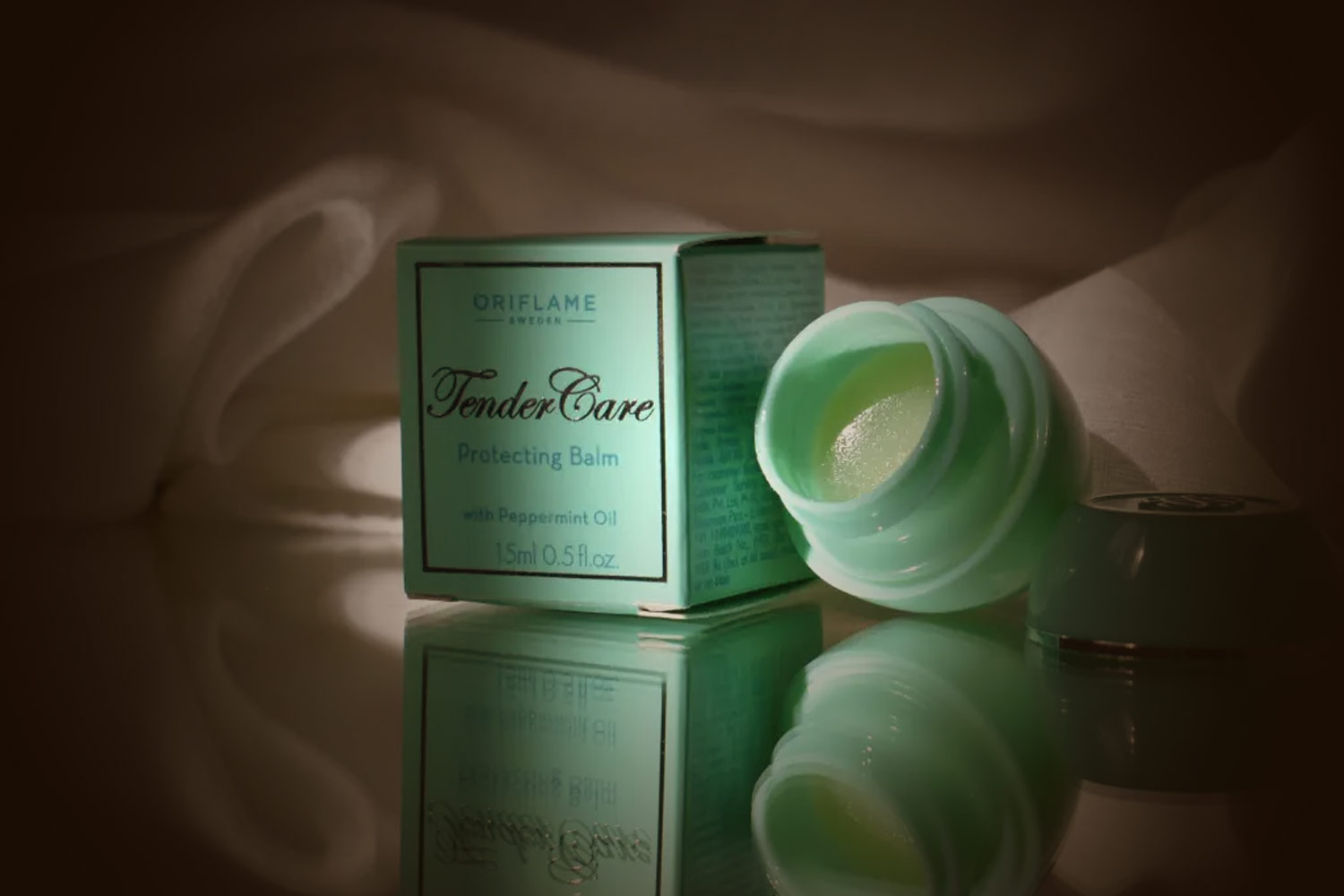
You have your product, and now you need a folding carton. What happens between sending us your product information and receiving the finished boxes? There are quite a few steps, including making a prototype, checking artwork, printing, diecutting, embellishing, and gluing. Let’s take a closer look.
Whether your product is vitamins or nutraceuticals, healthcare products, or cosmetics, understanding the process can help your project be produced quickly and avoid costly delays.
It starts with your product
First, we need to know what’s going inside the box. Product dimensions are helpful, but a sample for fitting is even better when we make the prototype.
We will need to know the product dimensions, the desired quantity, printing and paper specifications, as well as any special embellishments such as foil stamping, embossing, lamination, UV, or soft-touch coatings. If you already have a dieline, providing it early will speed up the process.
It is important to communicate not only the physical size of the product, but also how the carton will be used, displayed, stored and shipped. For example, we need to know if the box will be refrigerated or stored in a freezer. How will the carton be filled? By hand or machine? Does it need an insert to hold the product in place? These are details to discuss before the box is approved.
Creating the carton structure
Once the project requirements are finalized, the carton structure is designed.
Packaging designers create a dieline, which serves as the blueprint for the carton. The dieline defines where the box will be cut, folded, glued, and assembled. It also identifies areas reserved for artwork, barcodes, and special finishing effects.
Before any printing occurs, a prototype is typically produced. This is your chance to put the product inside and try the box. Does it fit? Can you close the flaps easily? If something needs adjusting, this is the time to address it.
Artwork and proofing
After the carton structure is approved, the final dieline is ready for artwork.
Your designer or Ritter’s can place graphics, text, images, barcodes, and branding elements within the approved dieline. Once completed, our prepress department reviews the files to verify image quality, fonts, colors, bleeds, and production requirements.
A proof is then created for customer approval. Take your time reviewing the proof. Check the product name, copy, barcode information, and placement of the artwork. It’s much easier to make a correction now than after the cartons have been printed. Only after the proof has been approved does production begin.
Tooling and materials
After artwork approval, production tooling can be ordered.
Every folding carton requires a cutting die that will cut the finished shape from the printed sheet. Additional tooling may also be needed for stripping waste, embossing, and foil stamping.
Paper, ink, coatings, and specialty materials are sourced for the project.
Printing the cartons
The approved artwork is sent to the press and printed onto large sheets of paperboard.
Depending on the project specifications, UV or aqueous coatings may be applied during or immediately after printing. Common finishes include gloss, matte, and soft-touch.
Additional embellishments such as spot UV, foil stamping, or embossing may occur later in production depending on the desired appearance.
Diecutting and finishing
After printing is complete, the sheets move to the diecutting and finishing departments where diecutting, foil stamping, and embossing are completed.
The diecutting process cuts the carton shape and creates the crease lines that allow the carton to fold properly. Once diecut, excess paper waste is removed in a process commonly called stripping and blanking.
Folding and gluing
The finished printed cartons are then fed through a folder-gluer.
The cartons are folded along their score lines and glued at the designated glue flaps. Quality control personnel and equipment check the folds, printing, and glue.
Most folding cartons are delivered flat rather than assembled. Flat shipping reduces shipping damage, freight costs and allows the cartons to be efficiently loaded on packaging lines.
Quality control and delivery
Before shipment, cartons undergo a final quality check.
Finished cartons are counted, packed into boxes, labeled, and prepared for pickup, shipping or delivery. The labels on the shipping cartons typically identify the product, SKU, quantity, and other information needed by the end user for inventory control.
Once completed, the cartons are picked up by the client, delivered or shipped to manufacturers, co-packers, fulfillment centers, or directly to the customer.
Ready to start your carton?
There’s quite a bit of work behind a finished folding carton. If you’re planning a new box, start with your product sample, quantity, and any ideas you have for the printing and finish. Already have a dieline? Send that along too as well as any photos of your product. We can help you work through the next steps.
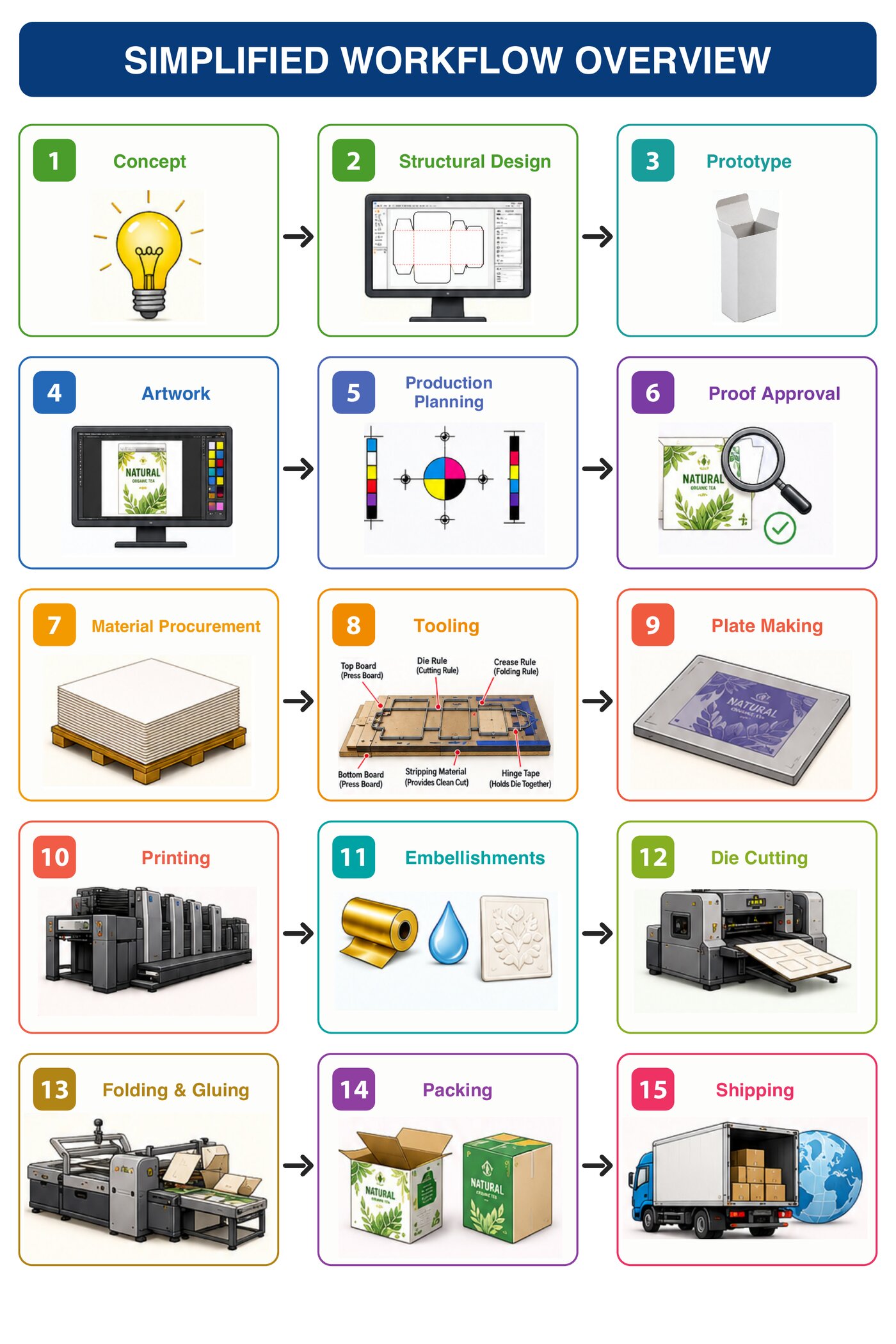
Printing & Packaging Solutions from Ritter’s Printing & Packaging
If you are planning a new folding carton, the best place to start is your product sample, the quantity you need, and any ideas you have for the printing and finish.
Our team works with contract manufacturers, cosmetic brands, nutraceutical companies, and other product manufacturers to design, prototype, and produce folding cartons that fit the product and the packaging line.
To discuss a carton project or request a prototype, contact Ritter’s Printing & Packaging at 954-771-7204 or visit rittersprinting.com to complete our online contact form.