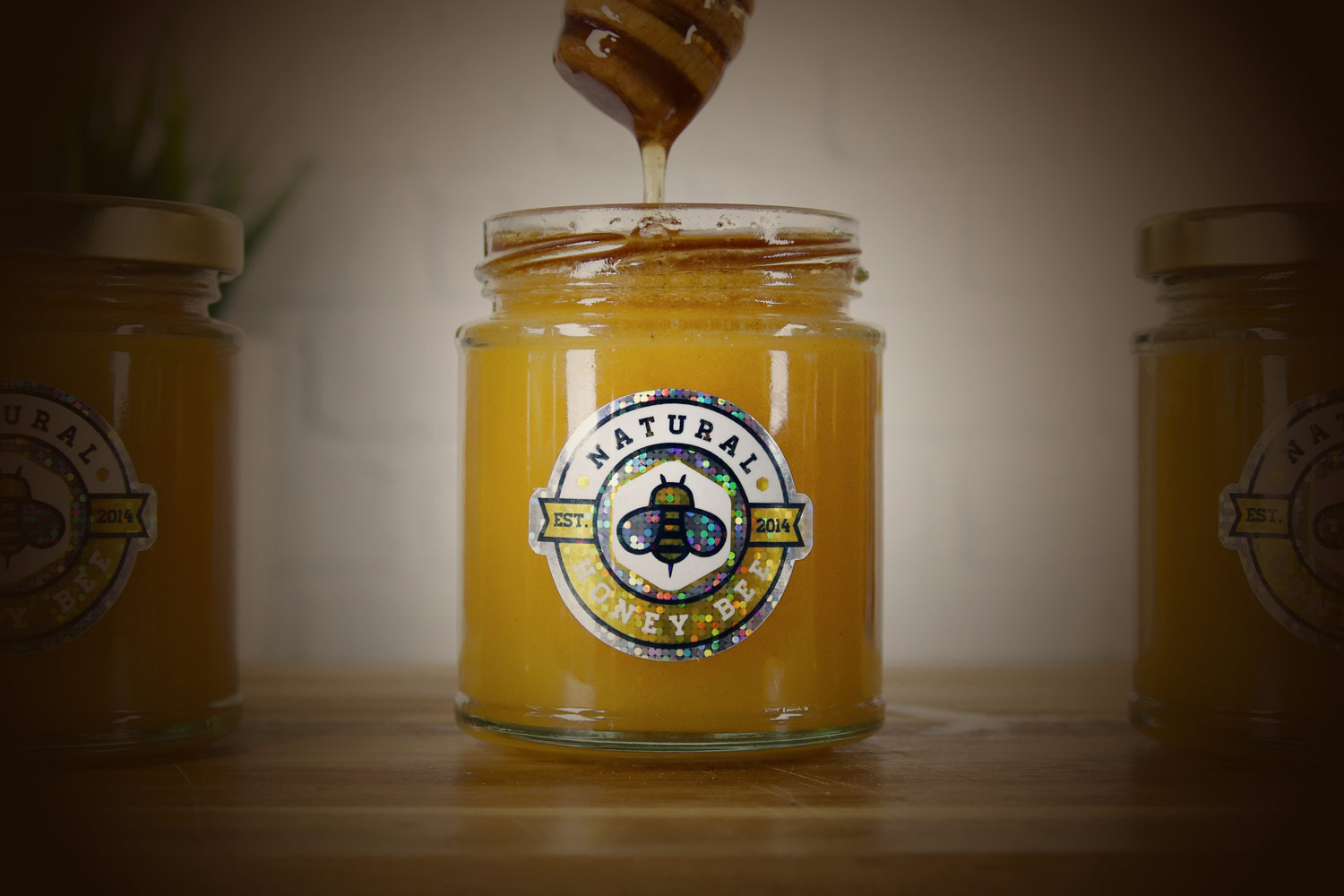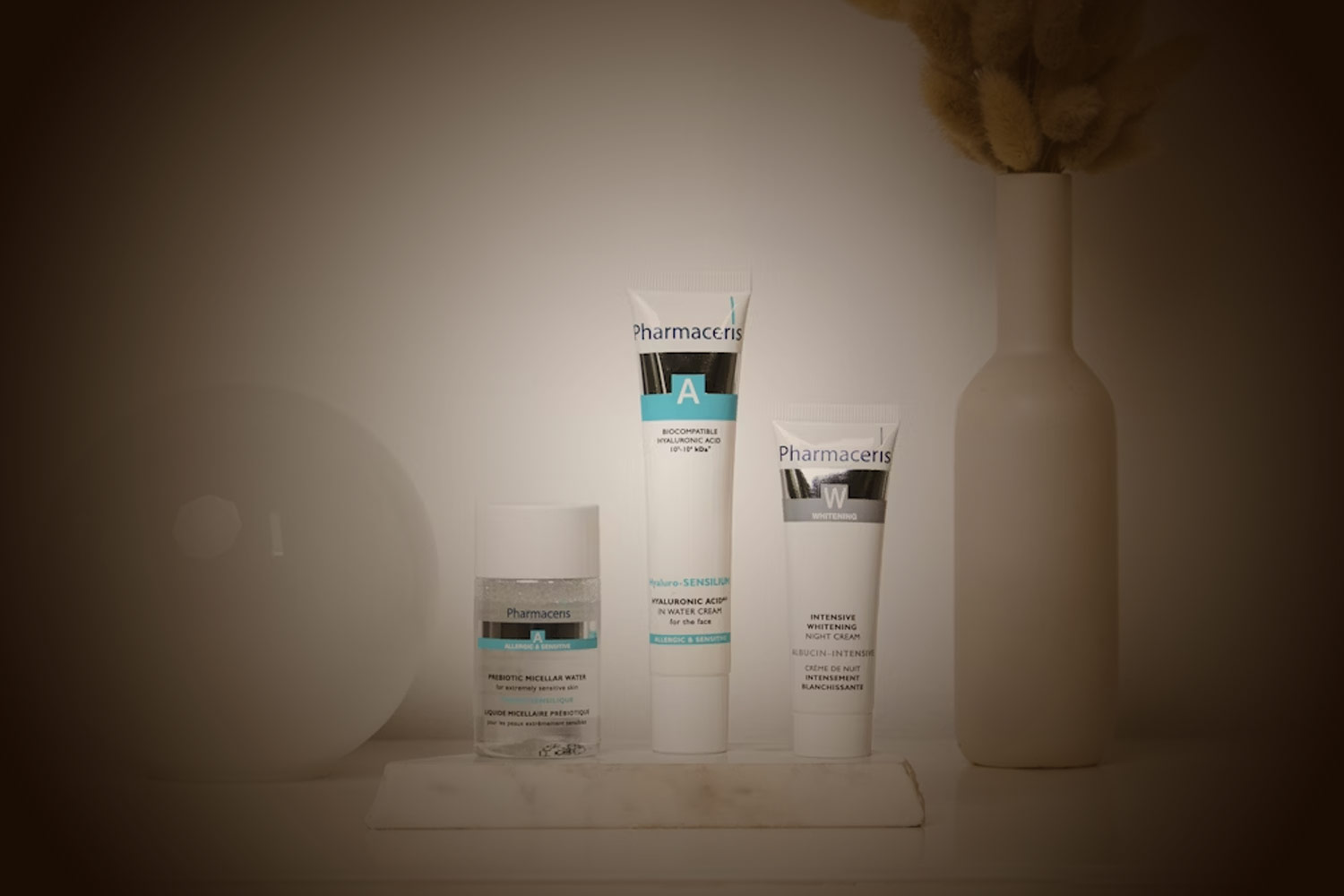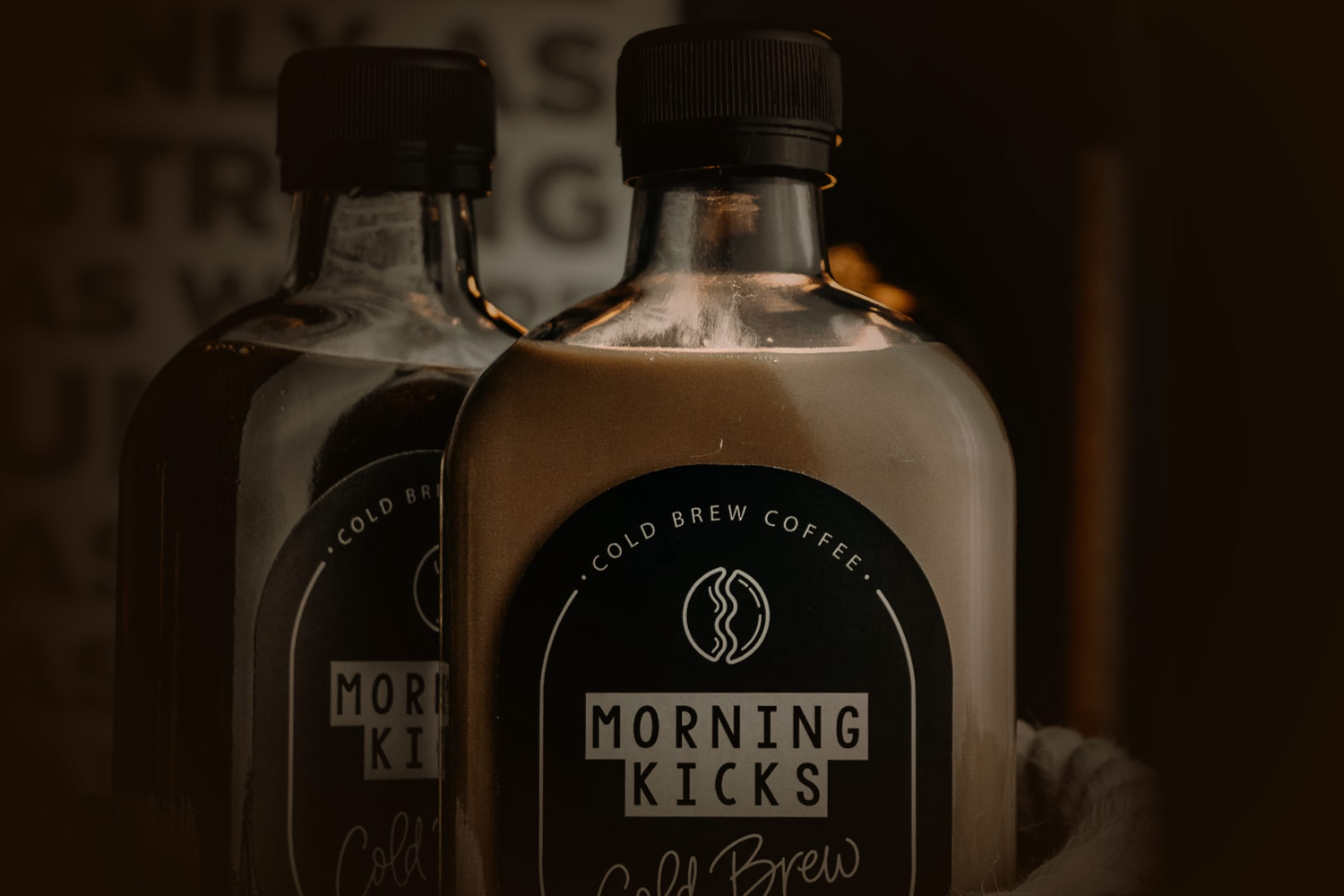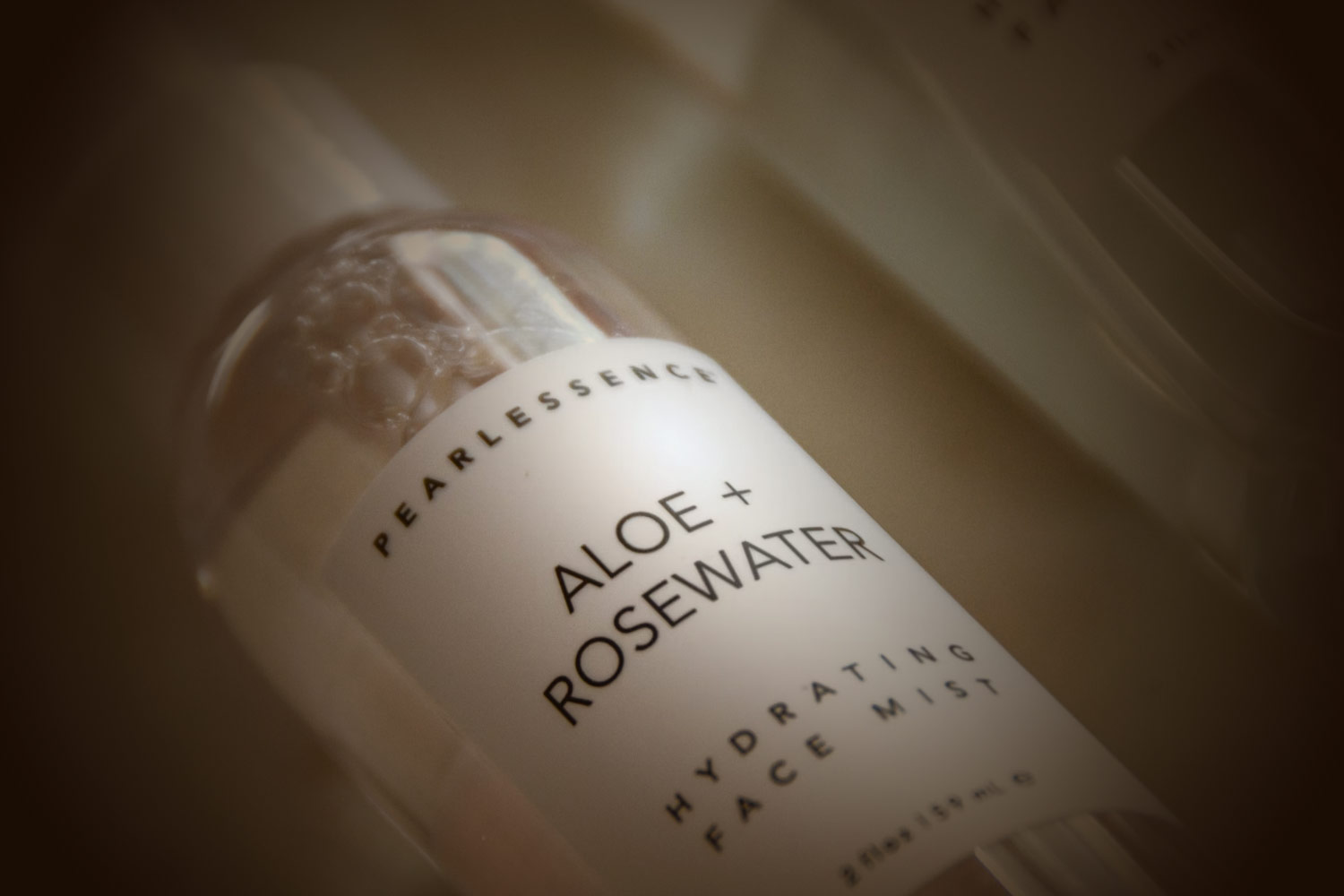

Clear labels are popular in many industries including health and beauty because they create a clean, modern appearance. Many brands want the label to look as if it disappears so the product inside the bottle becomes part of the design.
However, printing on clear labels presents a few technical challenges. One of the most common questions we receive from contract manufacturers and product developers is how to achieve a dark, solid black when printing on clear film.
At Ritter’s Printing & Packaging, we often work through this question with clients during the prototype stage. A recent project with a contract manufacturing client is a good example of how this process works.
The Challenge: Printing Black on a Clear Label
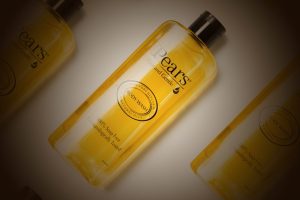
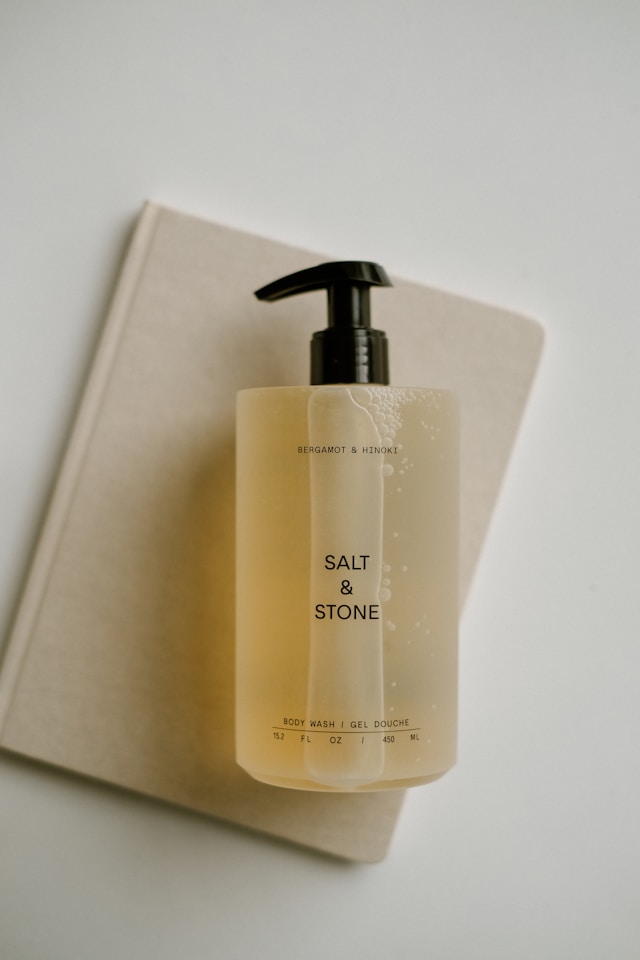
Our client was producing a body wash and wanted to use a clear label with black graphics. The bottle itself was opaque, but the product inside the container was transparent.
The goal was to determine the best composition of black ink that would provide a strong, clean appearance once the label was applied to the bottle. Printing on clear film can behave differently than printing on paper labels, so reviewing the label only on a press sheet does not always tell the full story.
For this reason, we printed prototypes and applied the labels directly onto the actual container so the client could see how the black ink would perform in real packaging conditions.
The Initial Black Build
The client’s original artwork used a rich black build of C60 M40 Y40 K100. We produced prototypes using this color build and reviewed the samples with the client.
In addition to examining the printed samples, we applied the labels to the container so everyone could evaluate the appearance of the black graphics on the finished package. This step is important because labels can look very different when they are applied to a bottle.
Testing Additional Black Ink Combinations
After reviewing the first prototypes, we worked with the client to test an additional option with a higher ink build of C80 M60 Y60 K100.
The purpose of this test was to see whether the increased ink coverage would produce a darker black once the label was applied to the container. By printing multiple versions, the client was able to compare the results side by side and determine which option worked best for their product.
The Outcome
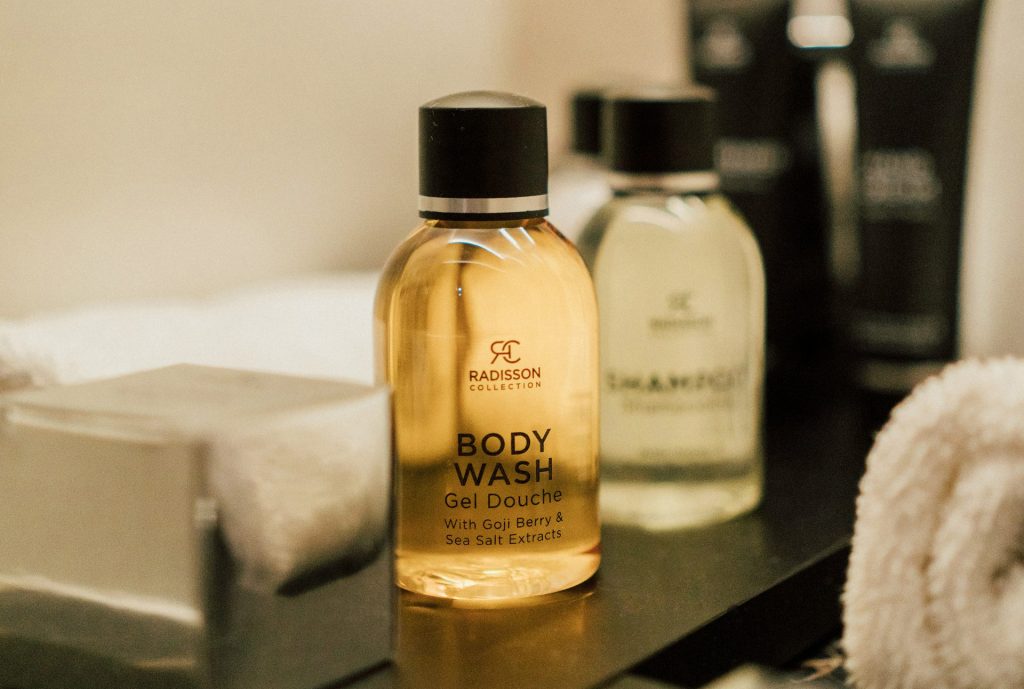
After reviewing both versions on the container, the client ultimately preferred the original black build of C60 M40 Y40 K100.
Even though the second option contained more ink, the visual difference was minimal once the label was applied to the bottle. The original build provided the appearance the client wanted while maintaining a balanced look for the overall design.
This type of testing allows clients to make confident decisions before moving forward with production.
When White Ink Is Needed on Clear Labels
In some situations, adjusting the composition of black ink alone will not produce the desired result on a clear label. This is especially true when the label will be applied to a clear container or when the product behind the label is light in color.
Clear films are transparent, which means the surface behind the label can influence how the printed ink appears. When a darker, more solid black is required on clear BOPP labels, we may recommend printing a layer of white beneath the black artwork.
This approach creates a neutral base for the black ink and allows it to appear darker and more opaque once the label is applied to the container.
At Ritter’s Printing & Packaging, we follow a standard prepress procedure for this situation. The white ink is printed only beneath the black artwork rather than across the entire label.
Using white beneath the artwork allows the surrounding areas of the label to remain clear while adding opacity to the printed black graphics so they are not as transparent.
Not every clear label requires this technique and it is important to know that adding white does increase the cost. In some projects, such as the body wash example above, the container provides enough contrast for the black ink to appear strong without additional layers. In other situations, especially when the container or product is light in color, adding white beneath the artwork can significantly improve the final result.
This is one of the reasons we encourage testing prototypes on the actual container before production. Seeing the label in its real packaging environment helps determine whether adjustments such as adding white beneath the artwork will improve the final appearance.
Common Questions About Printing Black on Clear Labels
Clients often assume that increasing the amount of black ink will automatically produce a darker result. In practice, the appearance of black on clear labels is influenced by several factors including the substrate, the container color, ink pigments and the lighting conditions where the product will be displayed.
Testing different color builds and reviewing labels on the actual packaging helps eliminate guesswork and ensures the final label performs as expected.
Working through these variables during the prototype stage helps prevent surprises during production and allows brands to move forward with confidence.
A Better Label Development Process
For manufacturers, contract manufacturers, and health and beauty brands, packaging development is an important step in bringing a product to market. Labels need to look great on the shelf, but they also need to perform correctly when applied to the container.
At Ritter’s Printing & Packaging, we work closely with our clients during the early stages of label development. From selecting the right materials to testing different color builds, our goal is to make sure the final label performs exactly as expected in real world conditions.
Printing & Packaging Solutions from Ritter’s Printing & Packaging
If you are developing a new product and considering clear labels, testing can make a significant difference in the final result.
Our team regularly works with contract manufacturers, cosmetic brands, nutraceutical companies, and other product manufacturers to prototype labels, evaluate materials, and confirm color performance before production.
If you would like to discuss a label project or request prototype samples, contact Ritter’s Printing & Packaging at 954-771-7204 or visit rittersprinting.com to complete our online contact form. We are happy to help you evaluate the best options for your product and packaging.